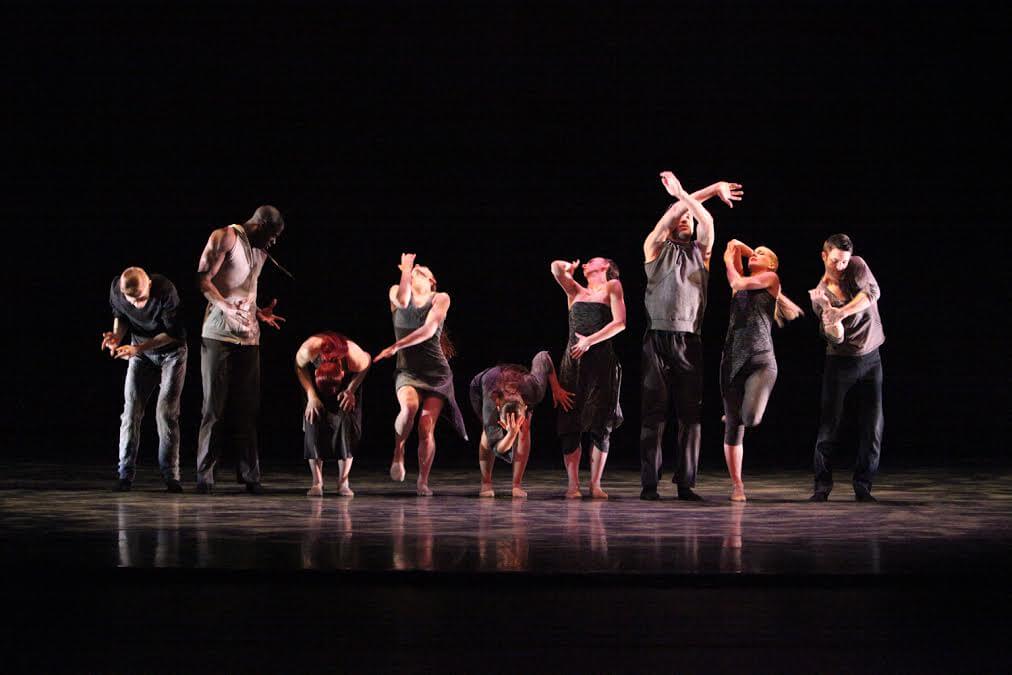
Imagine you’re at a Broadway show, watching a main character’s solo. She’s feeling desolate and shows her emotions in a moving dance performance. She hides her face, reaches up as if pleading, sways from side to side in the agony of her desperation and ends crumpled in a ball on the floor. This is a form of interpretive dance. The dancer showed her emotions through her body movements and dancing.
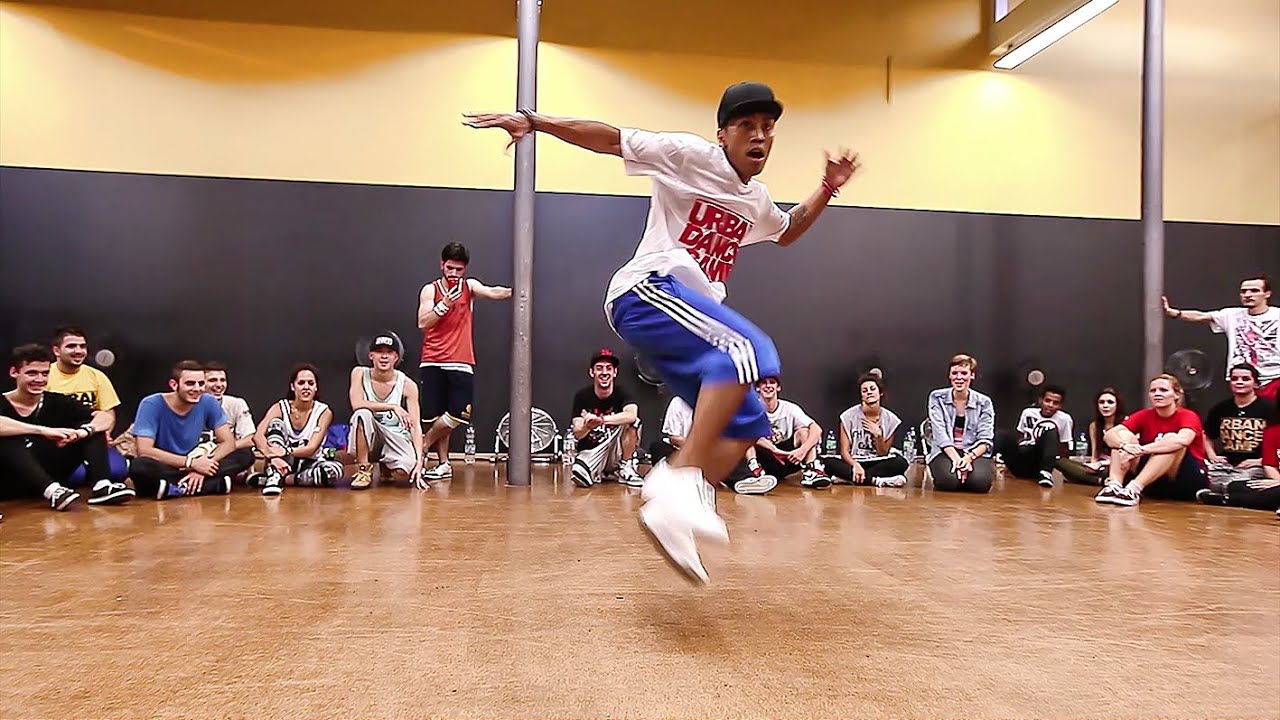
Urban Dance is a style of dance, community, and lifestyle revolving around choreographed pieces and performances by a dancer or groups of dancers. Choreography is influenced by several different dance styles, but is ultimately based on the choreographer’s own interpretation of the music. A big part of the modern Urban Dance culture stemmed from collegiate dance teams and competitions.
Vogue, or voguing, is a highly stylized, modern house dance originating in the late 1980s that evolved out of the Harlemballroom scene of the 1960s.[1] It gained mainstream exposure when it was featured in Madonna‘s song and video “Vogue” (1990), and when showcased in the 1990 documentary Paris Is Burning (which went on to win the Grand Jury Prize at the 1991 Sundance Film Festival).[2] In its modern form, this dance has become a global phenomenon that continues to evolve both stylistically and demographically .
House dance is a social dance and Street dance primarily danced to house music, that has roots in the clubs of Chicago and of New York.The main elements of House dance include “Footwork“, “Jacking“, and “Lofting”.House dance is often improvised and emphasizes fast and complex foot-oriented steps combined with fluid movements in the torso, as well as floor work.
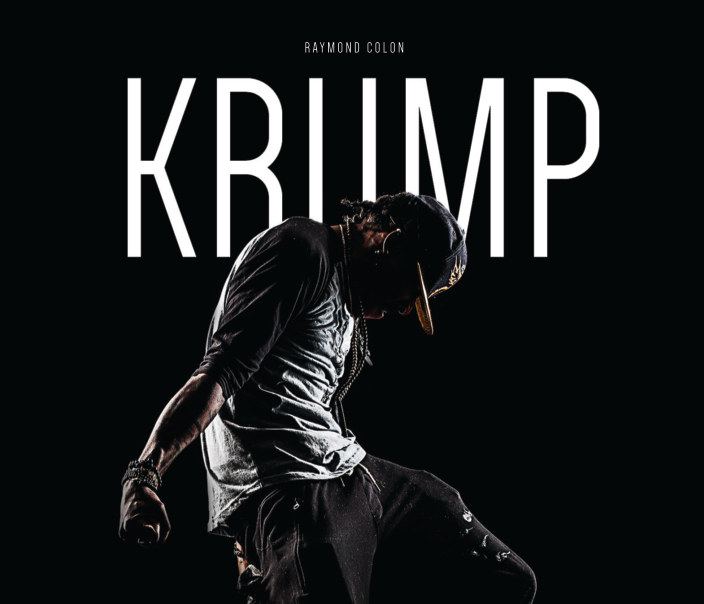
Krump is a street dance popularized in the United States, characterized by free, expressive, exaggerated, and highly energetic movement.[ The youths who started Krump saw the dance as a way for them to escape gang life and “to express raw emotions in a powerful but non-violent way.
Locking is a style of funk dance, which is today also associated, but not to be confused with hip hop. The name is based on the concept of locking movements, which basically means freezing from a fast movement and “locking” in a certain position, holding that position for a short while and then continuing in the same speed as before. It relies on fast and distinct arm and hand movements combined with more relaxed hips and legs. The movements are generally large and exaggerated, and often very rhythmic and tightly synced with the music. Locking is quite performance oriented, often interacting with the audience by smiling or giving them a high five, and some moves are quite comical in nature.
Waack/Punk is a form of dance created in the LGBT clubs of Los Angeles, during the 1970s disco era. …Waacking consists of moving the arms to the music beat, typically in a movement of the arms over and behind the shoulder. Waacking also contains other elements such as posing and footwork.
Popping is a street dance and one of the original funk styles that came from Fresno, California during the early 1970s. The dance is based on the technique of quickly contracting and relaxing muscles to cause a jerk in the dancer’s body, referred to as a pop or a hit.
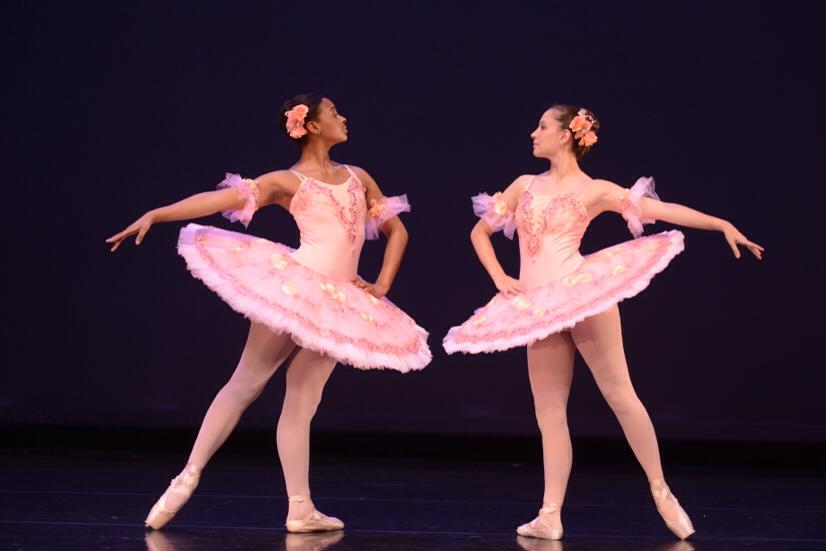
Ballet dance is generally accepted all over the world as one of the most artistic forms of dance entertainment cherished by people of all ages. It is believed to have originated from the Italian Renaissance courts in the 15th century. The term “ballet” originates from the Italian word “ballare” meaning “to dance”. Afterwards, it went through further artistic improvement and became a concert dance in France in the 17th century. It was subsequently embraced by the Russians in the mid – 18th century. During its early years, ballet dance was often presented on proscenium stages as the viewers sat comfortably on a small raised podium up to a height suitable for view. The type of music played was classical music which filled the auditorium for the pleasure of not only the dancers but everyone present. At first, dancers wore layers and layers of costuming, masks, large headdresses, pantaloons and dancing shoes with small heels. As appealing to the the eyes as these were, turning, curtsying, sliding and hopping would have been relatively uncomfortable for the dancers.
"Great Dancers are not Great because of their technique, they are great because of their passion"


 Just Dance